 Canna Cruise XLCanna Cruise XL
Cannabis has been used for centuries for both recreational and medicinal purposes. But what is it about this plant that makes it so versatile? As our understanding of the science behind cannabis continues to grow, we are unlocking the secrets of its effects and benefits. Let's explore the fascinating world of cannabis and uncover the mysteries of this remarkable plant. The real secret behind cannabis lies in its unique chemical compounds called cannabinoids. These naturally occurring substances interact with the body's endocannabinoid system, a complex network of receptors that helps maintain balance and regulate various bodily functions. The most well-known cannabinoid is delta-9-tetrahydrocannabinol (THC), the psychoactive compound responsible for the "high" associated with cannabis use. However, THC is just one of over 100 different cannabinoids found in the plant. Cannabidiol (CBD) is another prominent cannabinoid, praised for its potential therapeutic effects without causing a psychoactive high. The Endocannabinoid System: A Key Player Our understanding of cannabis's effects on the human body has expanded significantly since the discovery of the endocannabinoid system in the early 1990s. This complex system plays a crucial role in maintaining homeostasis – the body's natural balance – by influencing various functions, such as mood, appetite, sleep, and immune response. Cannabinoids like THC and CBD interact with the endocannabinoid system through two primary receptors: CB1 and CB2. These interactions can produce a wide range of effects, from the psychoactive high of THC to the potential anti-inflammatory and pain-relieving properties of CBD. Therapeutic Potential: The Healing Side of Cannabis As research into cannabis continues, more and more potential therapeutic applications are being discovered. Some of the most promising areas of study include:
Did you know that in recent years the cannabis industry has blossomed into a multi-billion-dollar…

Amsterdam - the city of canals, tulips, and... cannabis? You bet! But how did this…
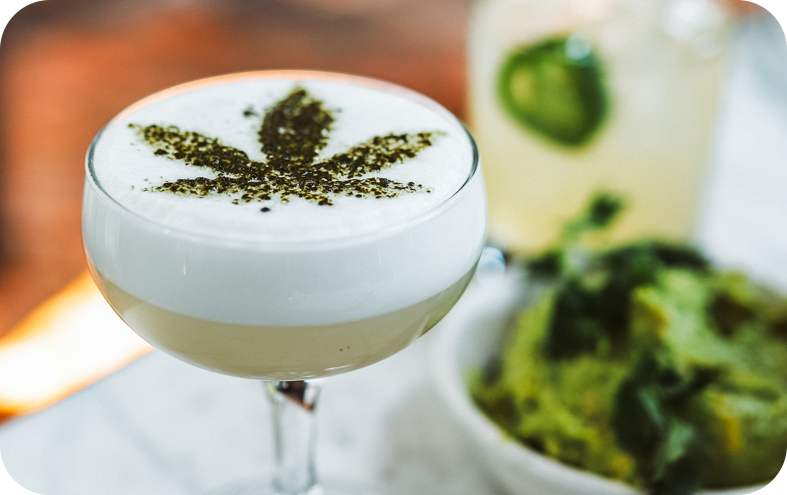
As the world of recreational cannabis continues to grow and evolve, there's always something new…
